Quick Answer
- From Seoul: 2 hours by KTX (SRT from Suseo or KTX from Seoul/Cheongnyangni Station)
- Best for: Coffee culture, East Sea beaches, Chodang tofu, Gyeongpo Lake
- Day trip or overnight: Day trip is doable — overnight is better
- Best season: Spring and autumn for weather / Summer for beach / Winter for snow and coffee
- Budget: ₩50,000–₩80,000 per day including transport, food, and activities
Gangneung (강릉) has two identities that coexist without contradiction. The first is a traditional East Sea coastal city — fishing culture, fresh seafood, Gyeongpo beach, and the kind of straightforward seaside atmosphere that Koreans have been coming here for since long before tourism was organized. The second is Korea’s unofficial coffee capital — a city with more specialty coffee roasters and cafés per capita than anywhere else in the country, built around a coffee culture that started here decades before Seoul caught up. Both are worth your time and they sit 20 minutes apart.
Getting There
KTX: Seoul Station or Cheongnyangni Station to Gangneung Station — approximately 2 hours. The fastest and most comfortable option. Book in advance on the Korail website or app — seats sell out on weekends and holidays.
SRT: From Suseo Station (southeastern Seoul) — approximately 2 hours. Convenient if you are based in Gangnam or southern Seoul.
Bus: Express bus from Seoul Express Bus Terminal — approximately 2.5–3 hours depending on traffic. Cheaper than KTX but slower and less comfortable. Not recommended on Friday evenings or holiday periods when the Yeongdong Expressway congestion is severe.
From Gangneung Station, local buses and taxis connect to all the main areas. A taxi from the station to Anmok Coffee Street takes about 10 minutes and costs ₩6,000–₩8,000.
Anmok Coffee Street (안목 커피거리)
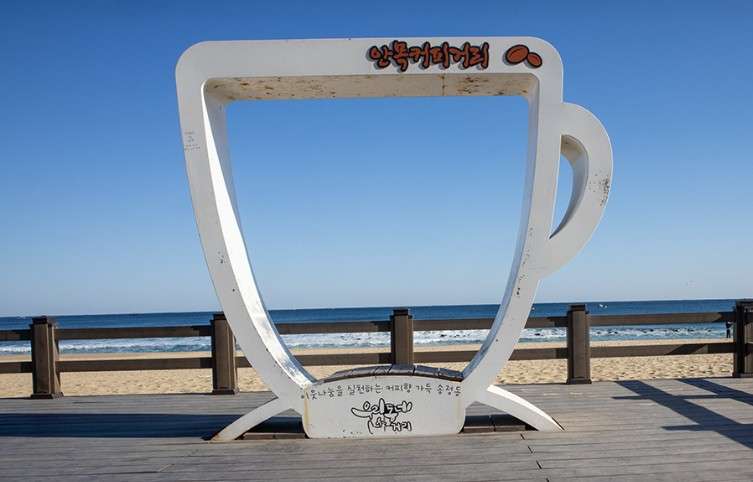
Anmok Coffee Street is where Gangneung’s coffee culture started — a stretch of independent cafés along the beach that developed from the vending machine coffee culture of the 1980s into one of Korea’s most significant specialty coffee destinations. The street faces the East Sea directly. You drink your coffee looking at the ocean.
The cafés here are not tourist cafés with expensive Instagram drinks. They are serious coffee operations that have been roasting and brewing for decades — several of the roasters on this street trained or influenced the Seoul specialty coffee scene that came later. The standard of espresso and filter coffee is consistently high.
Walk the length of the street, look at the menus and the equipment visible through the windows, and choose based on what you want. Most places have outdoor seating directly on the beach. Go in the morning when the light is on the water and the cafés are quiet.
Dad’s Local Tip: The vending machine coffee at the north end of Anmok beach — the original paper cup dispensers that started the whole culture here — is still there and still costs ₩300. Drink one before you have your specialty coffee. It tastes like the 1980s and it is the reason all the good cafés exist.
Chodang Tofu Village (초당두부마을)
Chodang tofu (초당두부) is made using seawater instead of the standard coagulants used in regular tofu production. The result is softer, slightly briny, and more delicate than any tofu you have eaten before. The Chodang neighborhood in Gangneung has been producing it this way since the Joseon Dynasty and the area still has multiple tofu restaurants serving it in various forms.
The standard order is sundubu jjigae (soft tofu stew) made with Chodang tofu — the seawater mineral character changes the flavor profile noticeably compared to the same dish elsewhere. Order it mild if you want to taste the tofu clearly. The neighborhood is small — 20 minutes to walk through and eat.
Gyeongpo Beach and Lake (경포대/경포호)
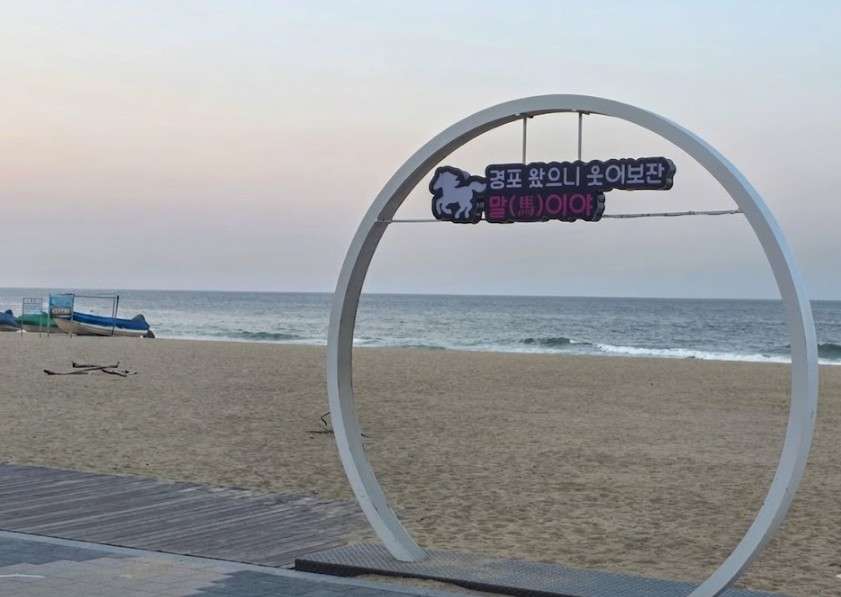
Gyeongpo is one of the longest beaches on Korea’s east coast — approximately 1.8km of sand backed by pine trees, with the East Sea in front and Gyeongpo Lake immediately behind. The lake is a freshwater lagoon separated from the sea by a narrow strip of land, with a walking and cycling path around its perimeter.
The beach is crowded in July and August — this is one of Korea’s most popular summer beach destinations. Outside of peak summer, it is significantly calmer and the combination of beach, lake, and pine forest is genuinely pleasant. The Gyeongpodae pavilion at the edge of the lake offers views over the water that have been referenced in Korean literature and poetry for centuries.
Dad’s Local Tip: Gyeongpo Lake at sunrise is one of the better early morning experiences available in Korea. The light on the water, the reflection of the surrounding mountains, and the absence of people at 6AM make it worth setting an alarm if you are staying overnight. The same lake at 2PM on a Saturday in August is a different experience entirely.
Ojukheon House (오죽헌)
Ojukheon is the birthplace of Shin Saimdang — Korea’s most celebrated female artist and scholar of the Joseon Dynasty, whose image appears on the ₩50,000 note — and her son Yi I (Yulgok), one of Korea’s greatest Confucian scholars. The house is the oldest surviving wooden residential building in Korea, dating to the early 15th century.
The surrounding garden with its black bamboo (오죽 — the name means “black bamboo”) is genuinely beautiful in the right season. The museum on site provides context for both figures that makes the visit more than a simple historic house tour. Allow 45–60 minutes.
Gangneung Traditional Market (강릉중앙시장)
The central traditional market in Gangneung is a working market — not a tourist market — with good seafood, local snacks, and the atmosphere of a city that has its own food identity independent of Seoul. Worth 30–40 minutes for the food stalls alone.
What to eat at the market: Sundae (순대), hotteok (호떡), and fresh seafood from the stalls in the fish section. The squid (오징어) from the East Sea is notably better than the inland versions — eat it grilled at the market if you can.
Suggested Itinerary
Day trip from Seoul:
- Early KTX from Seoul (first train ~06:30) → arrive Gangneung ~08:30
- Anmok Coffee Street — morning coffee facing the sea
- Chodang Tofu Village — lunch
- Gyeongpo Beach and Lake — afternoon walk
- Ojukheon — late afternoon (closes 18:00)
- KTX back to Seoul (last trains ~21:00–22:00)
Overnight: Add Gangneung Traditional Market for dinner, sunrise at Gyeongpo Lake, and a slower morning on Anmok Coffee Street before returning.
Practical Information
| Detail | Information |
|---|---|
| KTX Seoul → Gangneung | ~₩27,600 one way (standard seat) |
| Anmok Coffee Street | Free to walk — coffee ₩5,000–₩8,000 |
| Chodang tofu meal | ₩10,000–₩14,000 per person |
| Gyeongpo Beach entry | Free |
| Ojukheon entry | ₩3,000 adults |
| Local taxi (station → Anmok) | ₩6,000–₩8,000 |
Daddy’s Final Note
Gangneung rewards people who come without a tight schedule. The coffee is genuinely good — not Instagram good, actually good. The tofu is unlike anything sold as tofu in Seoul. The East Sea in the morning, before the beach crowds arrive, is one of those Korean experiences that does not compress into a photo. Come on a weekday if you can, take the first KTX, drink vending machine coffee at Anmok before the cafés open, and eat Chodang sundubu for lunch. That combination alone justifies the two-hour train ride.