Quick Answer
- From Seoul: KTX to Jeonju Station — 1 hour 50 min, from ₩38,400
- From Busan: KTX to Jeonju — approx 2 hours
- Minimum time needed: 1 full day, overnight highly recommended
- Must-do: Hanok Village walk, Jeonju bibimbap, Nambu Market street food
- Best for: Traditional Korean culture, food, slower pace
Jeonju is Korea’s food capital. Not Seoul, not Busan — Jeonju. Koreans themselves will tell you this. The city gave Korea bibimbap, makgeolli culture, and some of the most refined hansik (Korean cuisine) in the country. It is also home to the largest and best-preserved hanok village in Korea — 735 traditional Korean houses covering an entire neighborhood in the center of a modern city. If you want to understand what Korean culture looks and tastes like away from the capital, Jeonju is the answer.
Getting to Jeonju
| Route | Travel Time | Approx. Cost | Notes |
|---|---|---|---|
| KTX (Seoul → Jeonju) | ~1hr 50min | ₩38,400–₩53,000 | Fastest, most comfortable |
| Express Bus (Seoul → Jeonju) | ~2.5–3 hours | ₩16,800–₩20,000 | Budget option, frequent departures |
| KTX (Busan → Jeonju) | ~2 hours | ₩35,000+ | Via Iksan transfer |
Getting Around Jeonju
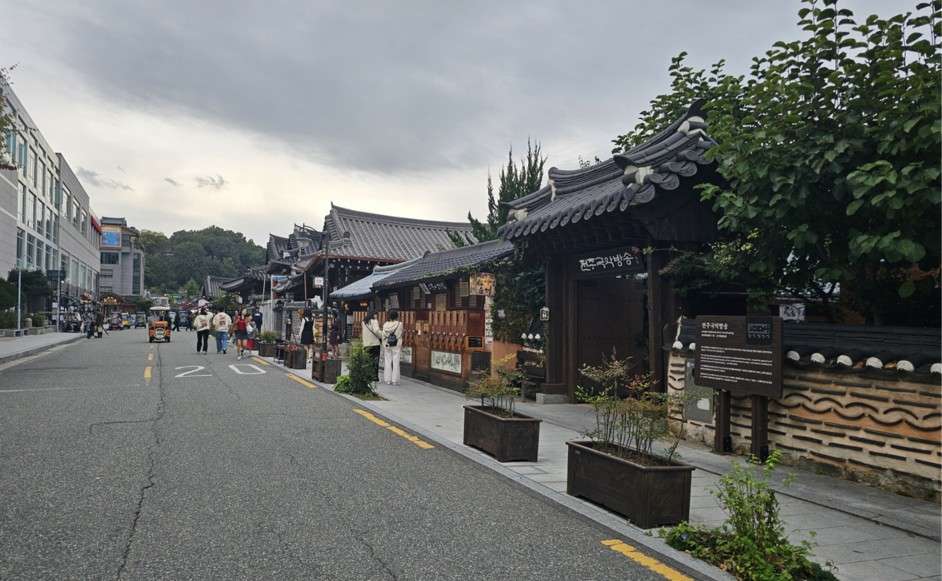
Jeonju Hanok Village and the surrounding area are walkable. The city center is flat and compact. Taxis are cheap for longer distances. Rental bicycles are available near the hanok village entrance. Most visitors spend the majority of their time within walking distance of the hanok village — a car or extensive transit is not necessary.
Jeonju Hanok Village (전주 한옥마을)
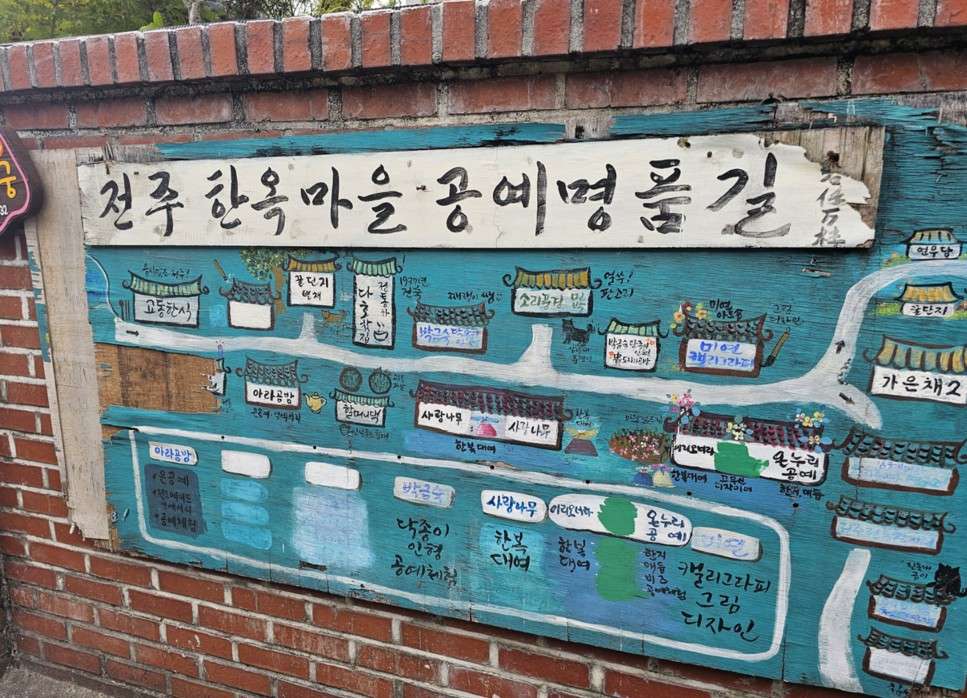
The centerpiece of any Jeonju visit. Unlike most “folk villages” in Korea which are open-air museums with no actual residents, Jeonju Hanok Village is a living neighborhood — people live and work here, and the 735 hanok buildings house a mix of guesthouses, restaurants, cafes, craft shops, and private homes.
The village is free to enter and open at all times. The main commercial streets get crowded on weekends — arrive before 10AM or after 4PM to see it without the crowds. The back alleys away from the main streets are quieter and often more interesting — old walls, small temples, and residents going about their day.
What to Do in the Hanok Village
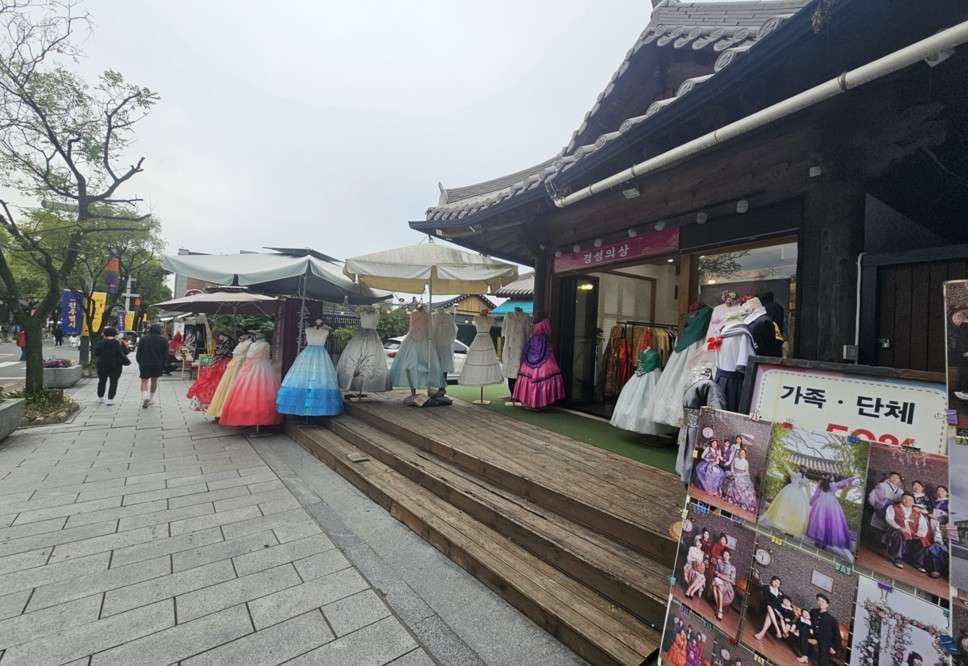
- Hanbok rental: Rent traditional Korean clothing for 1–2 hours and walk through the village. Around ₩10,000–₩15,000 per person. Multiple rental shops near the village entrance. Popular with both Korean and foreign visitors — less awkward than it sounds.
- Gyeonggijeon Shrine (경기전): A Joseon-era royal shrine housing a portrait of King Taejo, the founder of the Joseon Dynasty. Well-preserved grounds with a small bamboo forest. Entry ₩3,000.
- Jeondong Catholic Cathedral (전동성당): A striking early 20th-century cathedral built on the site where Korea’s first Catholic martyrs were executed. The contrast between the Western Gothic architecture and the surrounding hanok rooflines is genuinely striking. Free entry.
- Omokdae (오목대): A hilltop pavilion above the hanok village with the best elevated view over the rooftops. Short uphill walk, worth it for photos.
Food — The Real Reason to Visit Jeonju
Jeonju Bibimbap (전주비빔밥)
The dish Jeonju is most famous for. Jeonju bibimbap is categorically different from bibimbap served elsewhere in Korea — more side dishes, higher quality ingredients, beef tartare (육회) as a topping in the traditional version, and a richness that comes from the beef bone broth used to cook the rice. A proper Jeonju bibimbap at a reputable restaurant costs ₩12,000–₩18,000 and comes with 10–15 side dishes. It is a complete meal.
Where to eat it: The restaurants along the main street of the hanok village serve bibimbap, but the best versions are at established restaurants slightly away from the tourist center. Gajok Hoegwan (가족회관) near the hanok village is widely considered one of the best — queue expected at lunch.
Nambu Market (남부시장) Street Food
Jeonju’s traditional market, a short walk from the hanok village. The night market (운영 금·토요일 야시장) operates on Friday and Saturday evenings with street food stalls — one of the best night markets in Korea outside Seoul. During the day, the market sells fresh produce, dried goods, and prepared foods at local prices.
What to eat: Choco-pie hotteok (초코파이 호떡), bean sprout soup (콩나물국밥 — a Jeonju specialty), and various pajeon (green onion pancakes).
Kongnamul Gukbap (콩나물국밥)
Bean sprout soup with rice — Jeonju’s own hangover cure and breakfast staple. A bowl costs ₩7,000–₩9,000 and comes with kimchi and side dishes. Eaten at dedicated kongnamul gukbap restaurants that open early and close by mid-morning when the soup runs out. Simple, restorative, and distinctly Jeonju.
Makgeolli (막걸리)
Jeonju has one of the strongest makgeolli cultures in Korea. Traditional makgeolli bars (막걸리집) serve the rice wine alongside free side dishes (anju) that keep coming as long as you keep ordering drinks. A jug of makgeolli costs ₩5,000–₩8,000 and the accompanying food is often worth more than the drink itself. The area around Samcheon-dong near the hanok village has the highest concentration of these bars.
Jeonju Itinerary
| 1 Day | 2 Days (Recommended) | |
|---|---|---|
| Morning | Hanok Village early (beat crowds) | Kongnamul gukbap breakfast |
| Late Morning | Gyeonggijeon + Cathedral | Hanok Village + Gyeonggijeon |
| Lunch | Jeonju bibimbap | Jeonju bibimbap at Gajok Hoegwan |
| Afternoon | Nambu Market + Omokdae | Hanbok rental + Omokdae |
| Evening | Return to Seoul | Nambu Market night market + makgeolli |
| Next Morning | — | Slow breakfast, depart refreshed |
Where to Stay in Jeonju
| Option | Price Range | Best For |
|---|---|---|
| Hanok guesthouse (inside village) | ₩60,000–₩150,000 | Full experience, ondol floor sleeping |
| Business hotel (city center) | ₩60,000–₩100,000 | Comfort, near train station |
| Guesthouse / hostel | ₩25,000–₩50,000 | Budget, social atmosphere |
Staying inside the hanok village is the recommended experience — sleeping on an ondol heated floor in a traditional Korean house is something you cannot replicate elsewhere. Book well in advance for weekends and holidays.
Practical Information
| Item | Details |
|---|---|
| Hanok Village entry | Free |
| Gyeonggijeon entry | ₩3,000 adults |
| Hanbok rental | ₩10,000–₩15,000 / 1–2 hours |
| Jeonju bibimbap | ₩12,000–₩18,000 |
| Kongnamul gukbap | ₩7,000–₩9,000 |
| Makgeolli (per jug) | ₩5,000–₩8,000 |
| Best season | Spring and Autumn |
| Avoid | Weekend afternoons in peak season — very crowded |
Daddy’s Final Note
Jeonju is the city I take people to when they ask me what Korea is really like. Not the K-pop Seoul, not the neon Busan — the Korea that has been feeding and housing people with genuine care for centuries. The bibimbap alone is worth the train ticket. The makgeolli bars at night, the hanok rooftops at dawn, the market breakfast — these are the experiences that stay with you after the trip is over.
Do not do this as a rushed day trip if you can avoid it. Jeonju rewards people who slow down.