Quick Answer
- What it is: Freshwater eel grilled over charcoal — eaten as a stamina and recovery food
- Price: ₩25,000–₩45,000 per portion (not cheap — this is a special occasion meal)
- Two types: Yangnyeom (양념 — spicy sauce) and sogeum (소금 — salt only)
- When Koreans eat it: Summer — same 삼복 period as samgyetang
- Best region: Gurye and Hadong in South Jeolla, and Boryeong in South Chungcheong
Jangeo-gui (장어구이) is not everyday food in Korea. It is the meal you eat when you need to perform — before a difficult period of work, during the hottest stretch of summer, or when your body is running below capacity and you need to bring it back up. The price reflects this — a proper eel meal costs more than most Korean meals. Koreans pay it without hesitation because the result is reliable. This is one of the few traditional health foods where the nutritional science and the lived experience agree completely.
What Is Jangeo-gui?
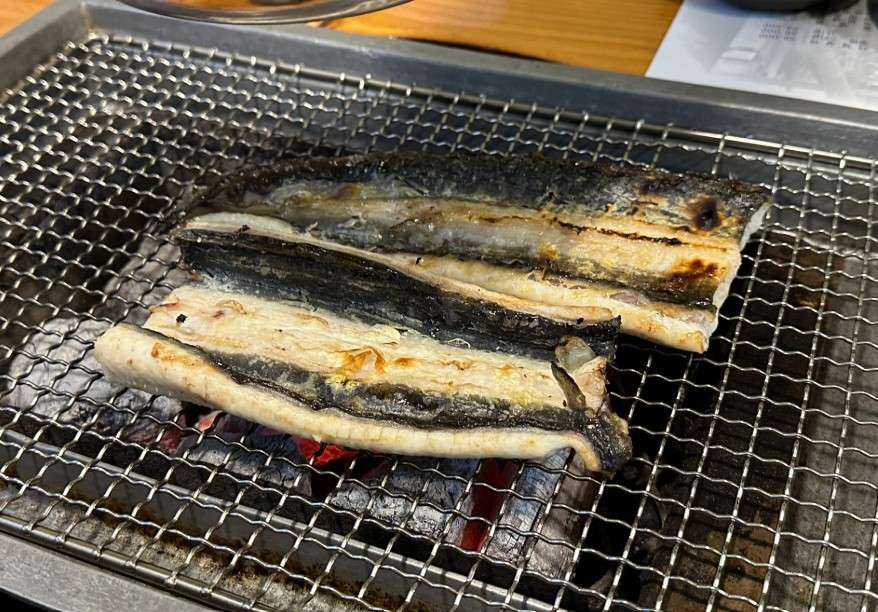
Jangeo (장어) means eel. Gui (구이) means grilled. The dish is straightforward in concept — freshwater eel, cleaned and butterflied, grilled over charcoal — but the execution varies significantly by region and restaurant. The eel is fatty, rich, and substantial. A single portion is a complete meal.
Korea has two main eel varieties used in cooking. Minmul jangeo (민물장어) is freshwater eel — the variety used for jangeo-gui and the one associated with health benefits. Barjang-eo (바다장어, conger eel) is the saltwater version, used more commonly in sushi and lighter preparations. When Koreans talk about eating eel for stamina, they mean the freshwater variety.
Two Styles: Yangnyeom vs Sogeum
Every jangeo-gui restaurant offers two preparations and most Koreans have a strong preference for one over the other.
Yangnyeom (양념): The eel is basted with a spicy-sweet gochujang-based sauce during grilling. The sauce caramelizes on the skin, creating a charred, lacquered exterior. Bold flavor, slightly sweet, familiar to anyone who has eaten Korean BBQ. This is the more popular version with younger Koreans and first-time eaters.
Sogeum (소금): Salt only — no sauce. The eel is grilled clean and the natural fat renders out over the charcoal. The flavor is cleaner, richer, and more complex than the yangnyeom version. This is what older Koreans and food-serious people tend to order. The eel has to be genuinely fresh and high quality for the sogeum version to work — a mediocre eel hides behind sauce.
Dad’s Local Tip: Order sogeum if the restaurant has live eels in a tank at the entrance — that is the freshness signal. If there is no tank, order yangnyeom. The sauce compensates for eel that was not swimming this morning. A restaurant confident enough to serve salt-only is confident in its product.
How to Eat It
Jangeo-gui is typically served on a grill at the table — either charcoal or gas, with charcoal being strongly preferable. The server will often manage the grilling for you, flipping the eel and cutting it into pieces with scissors when done. If they leave you to grill yourself, cook until the skin is properly crisped and slightly charred — undercooked eel is unpleasant.
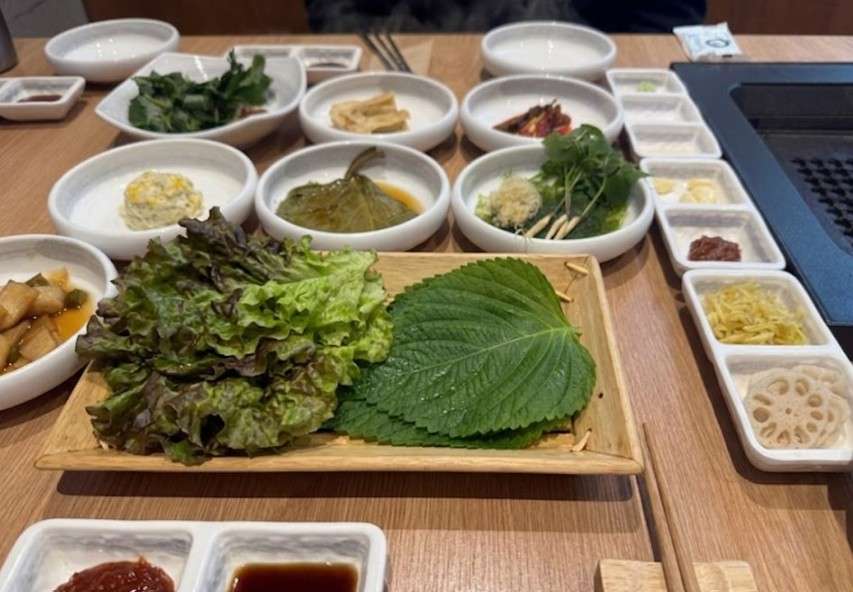
Eat the eel pieces wrapped in perilla leaves (깻잎) with a slice of raw garlic and a small amount of doenjang paste. This combination — fatty eel, herbal perilla, sharp raw garlic, fermented paste — is one of the better flavor combinations in Korean cuisine. The perilla leaf is not optional garnish. It is structural to how the dish tastes.
The meal comes with multiple side dishes — typically kimchi, pickled vegetables, and a light soup. Eat these between pieces of eel to reset the palate.
Dad’s Local Tip: The skin is the best part. Koreans know this — the crispy charred skin has most of the flavor and most of the collagen. Do not leave it. If you are grilling yourself and the skin is not crisping properly, move the eel directly over the hottest part of the charcoal for the last minute.
The Health Case
| Nutrient | Benefit |
|---|---|
| Vitamin A | Exceptionally high — vision, immune function, skin repair |
| Vitamin E | Antioxidant, circulation support |
| Omega-3 fatty acids | Anti-inflammatory, cardiovascular and brain health |
| Protein | Complete amino acid profile — muscle recovery |
| Collagen | Skin elasticity, joint support — concentrated in the skin |
| DHA / EPA | Higher than most freshwater fish — cognitive function |
Freshwater eel has one of the highest vitamin A concentrations of any commonly eaten food — significantly higher than beef liver. Korean traditional medicine has used it specifically for fatigue recovery, liver support, and maintaining stamina during physically demanding periods. The fat profile — high in omega-3 and monounsaturated fats — is genuinely beneficial rather than simply calorie-dense.
The combination of high-quality protein, beneficial fats, and concentrated micronutrients makes jangeo-gui one of the most nutritionally complete single meals available in Korean cuisine. The price is high because the ingredient is valuable. It earns it.
Where to Eat Jangeo-gui
Gurye and Hadong (구례/하동), South Jeolla: The Seomjin River area produces some of the best freshwater eel in Korea. Specialist eel restaurants line the river roads in both towns. If you are traveling through Jeolla Province, this is the destination for jangeo-gui — live tanks, charcoal grills, and decades of practice.
Boryeong (보령), South Chungcheong: Another well-regarded eel region, closer to Seoul than the Jeolla options. A viable day trip from Seoul if eel is the specific mission.
Seoul: Quality jangeo-gui restaurants exist in Seoul — look for specialist eel restaurants (장어 전문점) rather than general Korean BBQ places that happen to have eel on the menu. The Mapo-gu area has a concentration of well-regarded options. Expect to pay more than the regional versions for equivalent quality.
Jangeo-gui in the 삼복 Boyang Food Hierarchy
Koreans eat three main foods during the 삼복 (sambok) hot period — the three hottest days of the lunar calendar in mid-summer. Samgyetang is the most common and accessible. Jangeo-gui is the more serious and expensive option. Heukgyeomso is the most potent. The three are not mutually exclusive — some Koreans eat all three across the sambok period, treating each hot day as an occasion for a specific restorative meal.
Jangeo-gui sits in the middle of this hierarchy — more substantial than samgyetang, more approachable than heukgyeomso. It is the option for people who want a genuine meal rather than a medicinal experience.
Daddy’s Final Note
I eat jangeo-gui two or three times a year — always in summer, always at a specialist restaurant with live tanks, always the sogeum version. It is not cheap and I do not eat it casually. I eat it when I need to feel significantly better by the following morning. It has not failed me yet. If you are in Korea during the summer heat and you want to eat the way Koreans eat when they are serious about recovery — find a proper eel restaurant, order the salt version, wrap it in perilla with garlic, and eat the skin. That is the whole instruction.