Quick Answer
- What it is: Soup made from whole blended mudfish (loach) — rich, earthy, and deeply nutritious
- Price: ₩10,000–₩15,000 per bowl
- Taste: Earthy and slightly bitter — not fishy in the way most expect
- Health reputation: High calcium, high protein — traditionally eaten for bone health and physical recovery
- Best region: Namwon (전북 남원) — considered the home of the best chueotang in Korea
Chueotang (추어탕) is the soup that separates curious food travelers from people who actually want to eat the way Koreans eat. It is made from mudfish — small freshwater loach — ground whole into the broth. The result is thick, dark, intensely flavored, and nutritionally dense. Most foreigners never try it. Most Koreans over 50 eat it regularly and consider it one of the best things you can put in your body. Both reactions make complete sense.
What Is Chueotang?
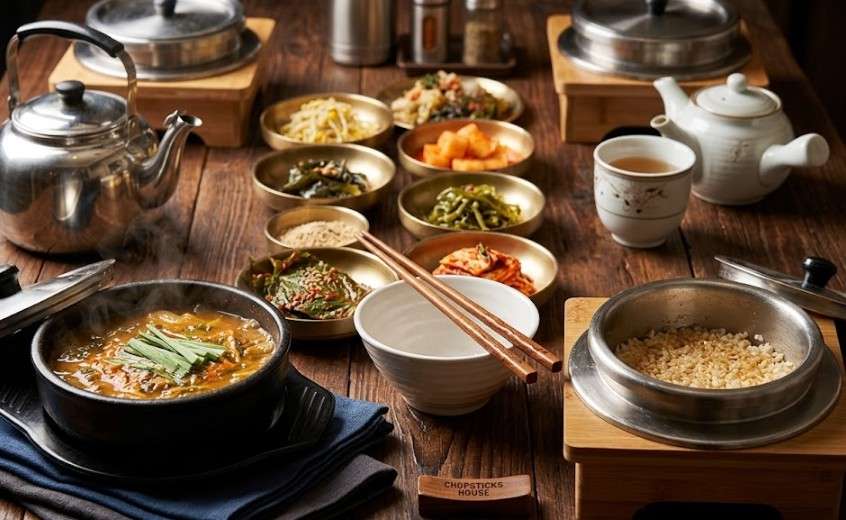
Chueotang (추어탕) means loach soup. The main ingredient is 미꾸라지 (migguraji) — mudfish or loach, a small freshwater fish common in Korean rice paddies and streams. Unlike most fish soups where the fish is served in recognizable pieces, chueotang uses the whole fish ground or blended into the broth. Bones, flesh, and all.
This is the reason for its exceptional calcium content — the bones are consumed entirely, just in processed form. A single bowl of chueotang contains more calcium than a glass of milk. Traditional Korean medicine has recommended it for bone health, physical exhaustion, and recovery from illness for centuries. Farmers historically ate it after the harvest season when the body needed rebuilding.
The broth is seasoned with doenjang (fermented soybean paste), perilla seeds (들깨), and various vegetables including zucchini, green onion, and taro. The result is thick, earthy, and warming — more substantial than it looks.
Two Styles: Seoul vs Namwon
There are two distinct regional approaches to chueotang and Koreans have strong opinions about which is correct.
Seoul style (서울식): The mudfish is blended completely smooth into the broth — no visible pieces. The soup is thick and uniform. This is the version most commonly found in Seoul restaurants and the one most beginners encounter first. Easier to eat, less confronting, slightly milder flavor.
Namwon style (남원식): The mudfish is used whole or in larger pieces — you can see and feel the fish in the soup. More textured, stronger flavor, considered the more authentic and traditional preparation. Namwon in North Jeolla Province is the city most associated with chueotang — restaurants there have been perfecting this dish for generations.
If you are trying chueotang for the first time in Seoul, you will get the blended version. If you want to understand why Koreans consider this a great dish rather than just a functional one, go to Namwon.
Dad’s Local Tip: If the menu has both styles, order Namwon style. The texture intimidates first-timers but the flavor is substantially better. Seoul style is what you eat when you want the health benefit without thinking about what you’re eating. Namwon style is what you eat when you want to actually taste the dish.
How to Eat It
Chueotang is a rice soup — eat it with the bowl of rice served alongside, either mixing the rice in or alternating bites. The condiments on the table matter:
- Sancho powder (산초가루) — ground Korean pepper, slightly numbing and aromatic. This is essential with chueotang — it cuts through the earthiness and lifts the flavor significantly. Add a small pinch and stir.
- Perilla powder (들깨가루) — nutty, slightly herbal. Often already in the broth but more can be added at the table.
- Gochugaru (고춧가루) — chili flakes for heat if you want it.
The soup arrives very hot. Eat it slowly — this is not fast food. The flavor develops as you work through the bowl and the rice absorbs the broth.
Dad’s Local Tip: The sancho powder is non-negotiable. Chueotang without sancho is like samgyetang without salt — technically edible but missing the point. Add it before your first spoonful, not halfway through.
The Health Case
Chueotang’s reputation as a recovery food is backed by its nutritional profile in a way that few traditional dishes can claim.
| Nutrient | Benefit |
|---|---|
| Calcium | Exceptionally high — whole bones consumed in blended form |
| Protein | Complete amino acid profile from whole fish |
| Collagen | Skin, joint, and connective tissue support |
| Omega-3 | Anti-inflammatory, cardiovascular support |
| Iron | Higher than most fish — useful for fatigue recovery |
| Perilla (들깨) | Alpha-linolenic acid, traditionally used for respiratory health |
Korean traditional medicine classifies chueotang as a 보양식 (boyang food) — food eaten specifically to restore and strengthen the body rather than simply for sustenance. It is recommended for people recovering from physical exhaustion, illness, surgery, or prolonged stress. The elderly eat it regularly for bone density. Athletes eat it for protein recovery. It is functional food that happens to also be genuinely good when prepared well.
Where to Eat Chueotang
Namwon (남원), North Jeolla Province: The definitive destination for chueotang. The city has an entire street of chueotang restaurants and takes considerable pride in this dish. If you are traveling through the Jeolla region, this is worth a stop.
Seoul — Jongno and Insadong area: Several long-established chueotang restaurants operate in the older parts of central Seoul. These tend to attract an older Korean clientele — a reliable indicator of quality and authenticity.
Traditional markets nationwide: Chueotang stalls appear in traditional markets across Korea. The market version is often less refined but very honest — basic preparation, good ingredients, fast service.
Who Should Try It — And Who Should Skip It
Chueotang is not a dish for everyone and there is no shame in that. The earthy, mineral-heavy flavor is genuinely acquired. People who enjoy strong flavors, bone broth, or offal tend to appreciate it immediately. People who prefer clean, mild flavors may find the intensity difficult.
Try it if: you eat doenjang jjigae without hesitation, you liked gamjatang, or you are specifically eating for health rather than entertainment.
Skip it if: you are sensitive to strong fish flavors, you struggle with thick textured soups, or you are on your first day in Korea and still adjusting to the food. Come back to it later in the trip.
Daddy’s Final Note
Chueotang is what Koreans eat when their body needs something serious. Not when they want comfort food — when they want results. My grandmother made it after my grandfather had surgery. My father eats it at the start of every winter. I eat it when I have been working too hard and my body is telling me something. It is not glamorous food and it will never trend on social media. But ask any Korean doctor or nutritionist what they recommend for physical recovery and chueotang is on the list. Try it once with proper sancho powder, in a restaurant where the customers are Korean and over 50, and decide for yourself. That demographic has been right about food for a long time.